Widecombe Parish Council
Welcome to the official website of Widecombe Parish Council. This website provides information on the work of the Council, including local decisions, meetings, and initiatives that support the community. It aims to serve residents, visitors, and businesses by promoting transparency, encouraging engagement, and helping to sustain the distinctive character of the parish.
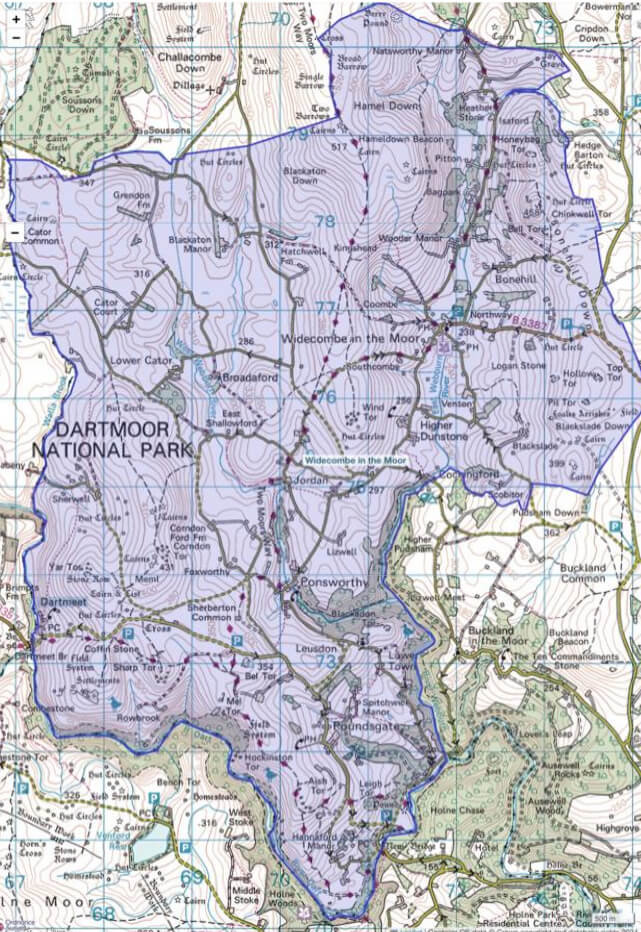
Widecombe-in-the-Moor is a large and historic parish situated at the heart of Dartmoor National Park in Devon. The village lies within the sheltered valley of the East Webburn River, surrounded by open moorland, rolling hills, and granite tors. The name “Widecombe” is believed to derive from the Saxon “Withy-combe,” meaning Willow Valley.
The parish is widely recognised for its rich heritage and strong sense of community. At its centre stands the Church of St Pancras, a striking 14th-century building often referred to as the “Cathedral of the Moor” due to its scale and prominence within the landscape. Nearby, the historic Church House—dating from the 16th century—continues to serve as a focal point for community life.
Widecombe-in-the-Moor is perhaps best known for its annual September fair, a long-standing tradition that originated as an agricultural market and is celebrated in the well-known folk song Widecombe Fair. Today, the event remains an important part of local culture, attracting visitors from across the region while maintaining strong links to the parish’s rural heritage.
Although tourism plays a significant role in the local economy, the parish retains its agricultural roots, with farming—particularly upland livestock farming—continuing to shape the landscape and way of life. The wider parish extends well beyond the village itself, encompassing a network of hamlets, farms, and historic settlements spread across the moorland, reflecting a long tradition of rural living and stewardship of the land.
Widecombe Parish today is a vibrant and active community, balancing the preservation of its natural and historic environment with the needs of a modern rural population.